contact us today (816) 207-4255
contact us today (816) 207-4255
Car accidents can instantly change your life—physically, emotionally, and financially. Amid the stress of medical appointments and missed work, one of the most pressing questions becomes how to put a dollar amount on your suffering. That’s where pain and suffering s
ettlement amounts become critical. These damages cover the intangible costs: the sleepless nights, the chronic pain, and the emotional toll that lingers long after the bruises fade. They’re not measured by receipts but by the disruption to your life and peace of mind.
At Devkota Law Firm, we’re committed to helping injured individuals pursue complete, fair settlements that account for every aspect of their recovery—including the pain that can’t be seen on a scan or printed on a receipt.
A reasonable settlement for pain and suffering is one that fairly compensates you for the physical discomfort, emotional trauma, and lifestyle disruptions caused by your injuries. Unlike medical bills or lost wages, these damages aren’t easy to measure but are just as real.
Pain and suffering include a range of non-economic damages, and what’s considered “reasonable” will depend on the severity of your injuries, how long recovery takes, and how the injuries impact your daily life. For instance, Kansas does not allow lawmakers to cap these damages following a Kansas Supreme Court ruling that found such caps unconstitutional. This ruling ensures that car accident victims can seek full compensation without arbitrary limits.
Pain and suffering include both physical pain and emotional distress stemming from your accident-related injuries. These losses go beyond the visible injuries and speak to the overall decline in quality of life. They are deeply personal, and their effects often linger well after healing physical wounds.
It can involve:
While not always visible or measurable by conventional medical tests, these experiences are legally acknowledged as significant. According to the Legal Information Institute at Cornell Law School, pain and suffering refer to the physical or emotional distress resulting from an injury—especially when it diminishes a person’s ability to enjoy life or take part in activities that once brought pleasure.
There is no fixed or universally accepted average for pain and suffering settlements. These amounts vary widely based on each individual’s experience, the nature of their injuries, and how those injuries affect their life over time.
In Kansas City, pain and suffering compensation is often determined by reviewing the severity and duration of both physical injuries and emotional distress. Factors like permanent impairment, psychological trauma, and disruption to your daily routine all influence how much compensation may be pursued. While economic losses like hospital bills are easier to quantify, pain and suffering are more nuanced and usually negotiated based on thorough evidence and persuasive documentation.
Because no two personal injury cases are identical, settlement outcomes can differ even among individuals with similar diagnoses. That’s why working with a team that understands the local legal environment and can present a clear picture of what you’ve endured is crucial.
Pain and suffering are often calculated using one of two methods: the multiplier method or the per diem method. Each method has its own logic and is used based on the type and length of your injuries and the available documentation. Insurers may resist higher valuations unless supported by strong, consistent evidence. This emphasizes that while formulas are helpful, insurers often rely on internal criteria and software tools that can undervalue claims. Understanding how these evaluations work—and presenting a well-documented, personalized claim—can significantly influence your final settlement outcome.
“Success comes from relentless dedication and hard work. We fight for justice, ensuring every detail counts.” Tarak Devkota

Delaying medical treatment after a car accident can significantly undermine your pain and suffering claim—even when the injuries are legitimate. Insurance companies often equate delayed care with a lack of severity. From their perspective, if you didn’t see a doctor immediately, the injury may not have been serious or related to the accident. This is a dangerous assumption but one they frequently use to minimize settlement offers.
Timely medical attention establishes a critical link between the accident and your physical and emotional injuries. It also creates a documented timeline supporting your claim, from the initial emergency visit to follow-up treatments, referrals to specialists, physical therapy, and counseling.
In Kansas City, where Missouri law places no cap on non-economic damages, presenting a well-supported claim is crucial. Medical records that begin on the day of the accident—and continue without interruption—build the strongest foundation. Every appointment, scan, and therapy note tells a story about how the injury has affected your life. Delays, on the other hand, can create gaps insurers may exploit.
When paired with other forms of documentation, such as journals or witness statements, early medical care sends a clear message: your injuries were real and serious, and you took them seriously from day one.
Pain and suffering must be proven through consistent documentation and testimony. Unlike medical bills, these damages require a deeper look into your lived experience and how your injury has disrupted your well-being. Insurers and courts want a clear, credible account of the suffering you’ve endured. The more thorough your documentation, the stronger your claim.
Ways to support your pain and suffering claim include:
The American Academy of Science, Engineering, and Medicine emphasizes the value of medical and non-medical documentation—especially mental health records, rehab schedules, and statements that outline one’s personal narrative—in establishing the credibility and depth of one’s suffering.
Additionally, be aware of your online presence. Social media posts or photos that appear to contradict your injury claims can be used to weaken your case. Maintaining consistency between your documented recovery and public profile is essential in avoiding disputes or denials from insurers or opposing counsel.
Losing the ability to enjoy daily routines, social activities, or personal passions after a car accident is a serious form of non-economic harm—and it’s one of the most compelling aspects of a pain and suffering claim. This loss, often referred to as “loss of enjoyment of life,” reflects the disruption of the emotional and psychological anchors that give life meaning.
You might no longer have the energy or ability to walk your dog, volunteer in your community, or spend quality time with your family. These may seem like simple routines, but their absence creates emotional distress that deserves acknowledgment. Such impacts are deeply personal and often long-lasting, even when physical injuries begin to heal.
Establishing the extent of this loss requires more than just a statement—it demands evidence. Treatment records from mental health professionals, daily logs tracking emotional setbacks, and corroborating statements from people close to you help illustrate just how profoundly your life has changed. These tools give weight to your claim and help adjusters and courts understand the actual human cost of your suffering.
Consistency is key when building a persuasive pain and suffering claim, especially in car accident cases where non-economic damages are under intense scrutiny. Insurance adjusters and defense attorneys often look for inconsistencies in your story to minimize the value of your claim. This includes differences between verbal statements, medical records, and written documentation, such as pain journals or emails to healthcare providers.
If your journal describes ongoing back pain but your medical visits are sporadic, or if you post upbeat vacation photos while claiming emotional distress, these contradictions can weaken your credibility. Every element of your narrative—from your initial complaint at the ER to therapy notes and testimony from loved ones—should tell a cohesive, believable story of how your life has changed.
Your ability to present a well-documented and consistently reinforced narrative is one of the most effective ways to secure meaningful compensation for pain and suffering. A clear, unbroken timeline of evidence helps validate your experience, builds trust, and minimizes room for dispute.
managing partner“Success comes with constant dedication and hard work. We’re here to fight for justice, making sure every detail counts in your case.”

Tarak Devkota
Securing a fair pain and suffering settlement begins with decisive action, careful documentation, and guidance from professionals who understand how Missouri law applies to car accident claims. In Kansas City, local statutes and court interpretations play a critical role in the outcome of your case. Missouri currently does not cap non-economic damages in personal injury claims, which allows injured individuals to pursue full compensation for the emotional and physical toll they’ve endured. That makes it even more important to build a strong, well-supported claim that genuinely reflects the scope of your suffering.
To improve your position and strengthen your case, consider the following steps:
Insurers often use software and internal standards that downplay or undervalue pain and suffering. But with organized evidence and clear, human-centered storytelling about how the injury has changed your life, you’re in a far better position to pursue the compensation you deserve.
If your injuries have caused lasting discomfort and emotional distress or taken away the things that once brought joy, you may be entitled to pursue meaningful compensation. Pain and suffering settlement amounts can vary greatly, but what never changes is our commitment to building a case that reflects your unique experience.
At Devkota Law Firm, we’re here to help you understand your rights and navigate the legal process with confidence. Reach out at 816-207-4255 to schedule a consultation and take the first step toward a settlement that addresses your pain, struggle, and recovery.
Client Reviews I had a great experience with Tarak and Robert as my injury lawyers. Their knowledge of the law and commitment to my case were exceptional. Thanks to their efforts and the other paralegals, I received a good compensation for my injuries. If you’re looking for a dedicated injury lawyer in Kansas City, I highly recommend this law firm. View More Reviews on Google Maps and YelpWhat our clients are saying about us
Scott P.
 3 months ago
Tarak Devkota is the founder and managing partner of Devkota Law Firm LLC, dedicated to representing individuals in Kansas and Missouri. Practicing law since 1999, Mr. Devkota has led numerous high-stakes cases involving personal injury, insurance disputes, and claims against government entities. Known for his exceptional jury trial expertise, Tarak has successfully resolved complex litigation cases, consistently advocating for justice on behalf of his clients.
•Over 25 years of legal experience in Kansas and Missouri.
•Founder of Devkota Law Firm LLC, specializing in personal injury and governmental liability.
•Recognized for taking on challenging cases and achieving outstanding results.
Linkedin Page: Tarak Devkota

As a seasoned legal practitioner with the Devkota Law Firm, I've dedicated my professional life to representing individuals who have suffered personal injuries. This post aims to ...
Learn More

The average settlement hit by a drunk driver will help one in understanding what one is expecting in courts of law when trying to get justice and compensation after an accident. S...
Learn More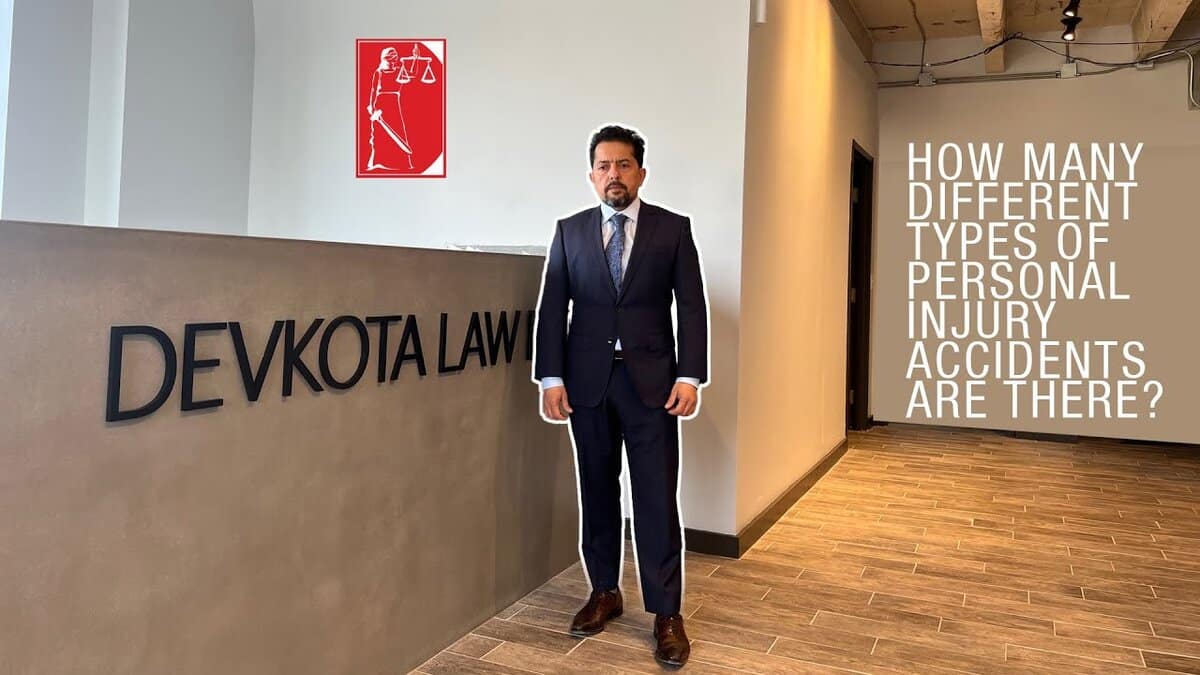
Every day, people around the world face unforeseen incidents leading to personal injury accidents. Navigating through the complex landscape of personal injury law is challenging, ...
Learn More
This page has been written, edited, and reviewed by a team of legal writers following our comprehensive editorial guidelines. This page was approved by Founding Partiner, Tarak Devkota who has more than 20 years of legal experience as a personal injury attorney.
Schedule a free consultation with one of our experienced lawyers today by filling out the form below.
NO FEE, UNTIL WE WIN YOUR CASE

4010 Washington Street, Suite 350 Kansas City, MO 64111
315 W Kansas Avenue
Independence, MO 64050
320 W 21st St,
Wichita, KS 67203


 Eng
Eng
 Esp
Esp
 Call Us (816) 207-4255